





12 October 2026
| Sencogold Admin
9 Days, 9 Forms: Durga Images, Names & Significance of Navratri
Navratri honours devotion, strength and the many expressions of Maa Durga. Across the nine days of Navratri, devotees worship a different form of the Goddess, each with its own name, image and spiritual meaning. Knowing these forms can make daily puja more meaningful. This guide brings together their names, imagery, significance and festive colours.
What Is Navadurga? Understanding the Nine Forms of the Goddess
Navadurga refers to the nine forms of Goddess Durga worshipped during Navratri. The Navdurga names begin with Maa Shailputri and end with Maa Siddhidatri. Each form reflects a distinct spiritual quality. A chart showing 9 Durga images with name labels can help devotees identify the Goddess worshipped each day.
Day 1: Maa Shailputri: Name, Image & Significance
Maa Shailputri begins Navratri and represents strength, stability and a grounded beginning. She is traditionally shown riding a bull with a trident and lotus.
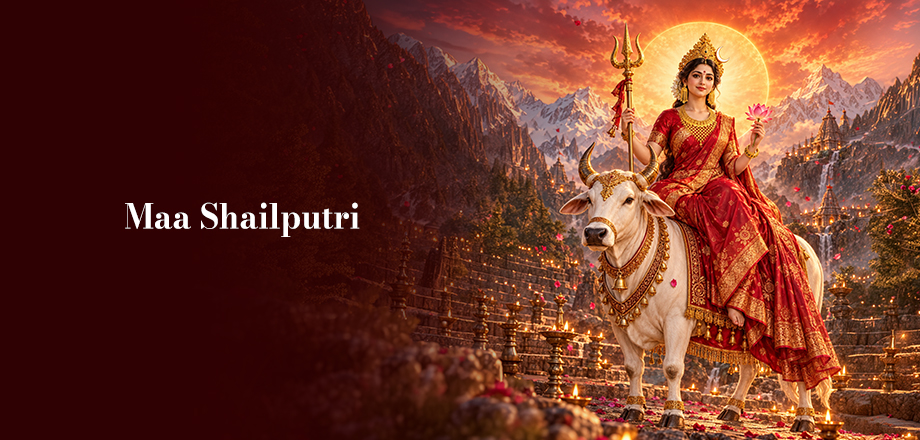
- Image: A serene Goddess seated on Nandi, the bull.
- Significance: She marks the beginning of the spiritual journey.
- Festive Colour: Yellow, a bright shade that brings warmth and freshness to the first day.
Also Read: Why we celebrate durga Puja?
Day 2: Maa Brahmacharini: Name, Image & Significance
Maa Brahmacharini represents devotion, discipline and patience. Her simple appearance reflects prayer and inner resolve.
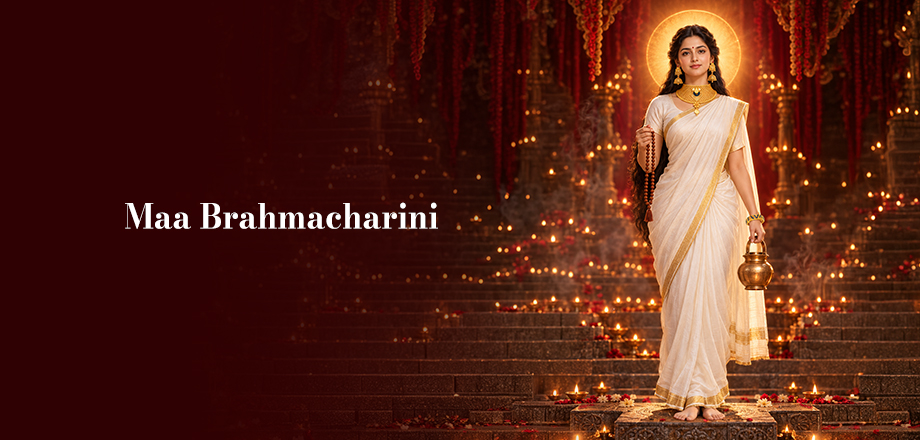
- Image: She is shown walking barefoot with a rosary and kamandalu.
- Significance: Her form is linked with dedication and self-control.
- Festive Colour: Green, a refreshing shade that adds a lively touch to the second day.
Day 3: Maa Chandraghanta: Name, Image & Significance
Maa Chandraghanta represents courage and protection. Her name comes from the crescent moon on her forehead, shaped like a bell.
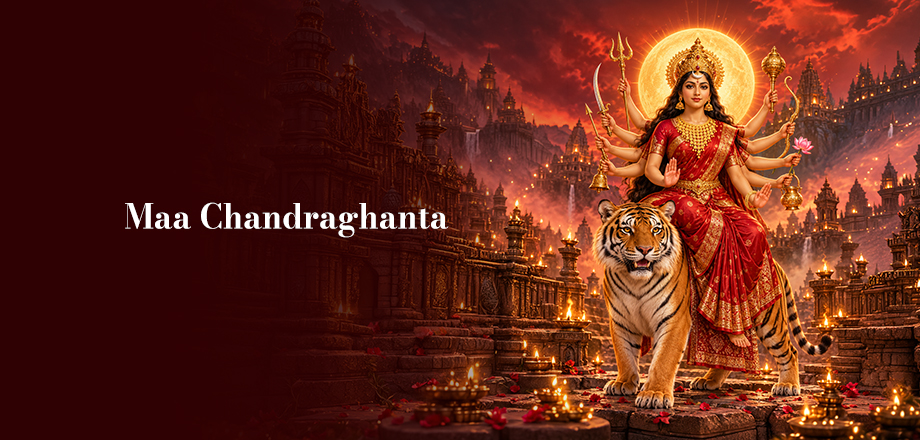
- Image: A powerful form with the crescent moon as a defining feature.
- Significance: She represents bravery during difficult moments.
- Festive Colour: Grey, an elegant shade that creates a composed and balanced festive look.
Day 4: Maa Kushmanda: Name, Image & Significance
Maa Kushmanda is revered as divine energy. Among the Navratri 9 devi names, she is closely associated with vitality and creation.
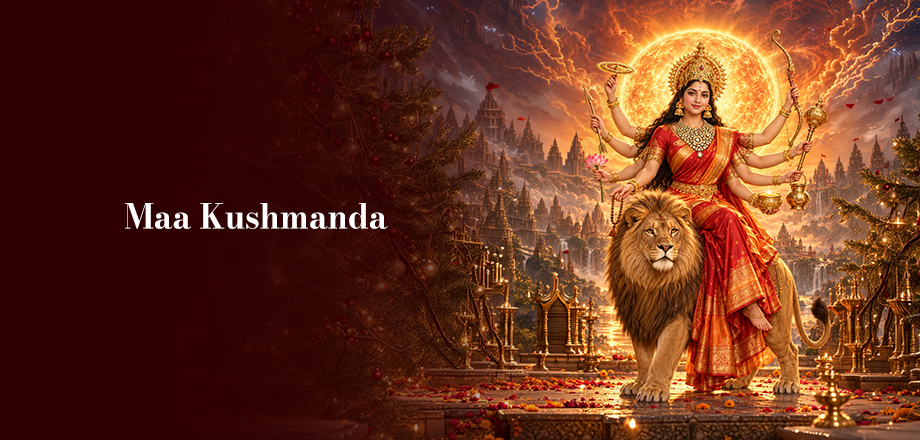
- Image: She is commonly depicted with several arms and a radiant presence.
- Significance: Her worship reflects energy, warmth and abundance.
- Festive Colour: Orange, a vibrant shade that adds warmth and energy to festive dressing.
Day 5: Maa Skandamata: Name, Image & Significance
Maa Skandamata is the motherly form of Durga and is shown with Skanda, also known as Kartikeya. Her image brings compassion to the nine forms of Durga.
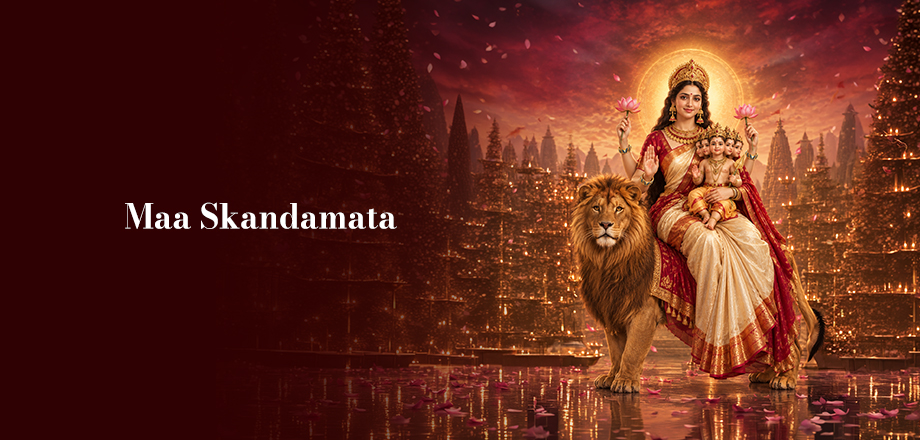
- Image: Maa Durga is shown holding child Skanda.
- Significance: She represents maternal care and protection.
- Festive Colour: White, a graceful shade that gives the fifth day a calm and elegant feel.
Also Read: 9 days of Navratri Look Ideas
Day 6: Maa Katyayani: Name, Image & Significance
Maa Katyayani is worshipped as a warrior form of the Goddess. Her presence brings courage and determination to the sixth day.
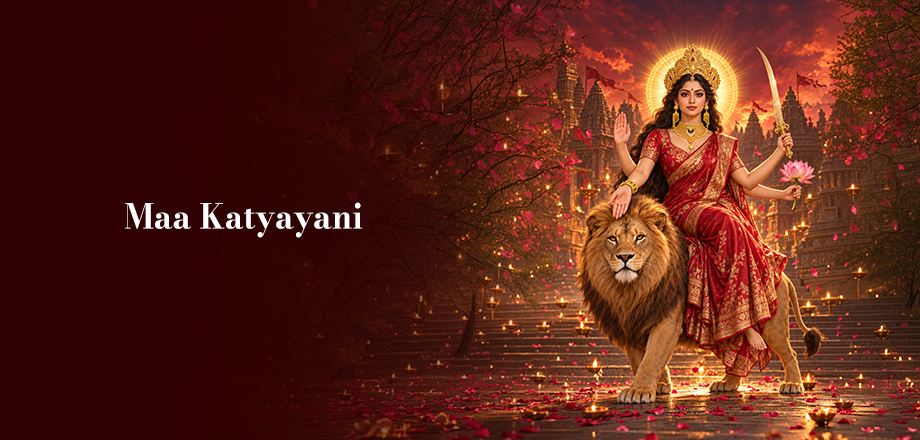
- Image: A majestic Goddess, often shown with a lion.
- Significance: She symbolises strength and resolve.
- Festive Colour: Red, a striking shade that brings richness and festive energy to the celebration.
Day 7: Maa Kaalratri: Name, Image & Significance
Maa Kaalratri has a fierce appearance, yet represents protection from fear and negativity. She is one of the most striking Durga devi names and images in the tradition.
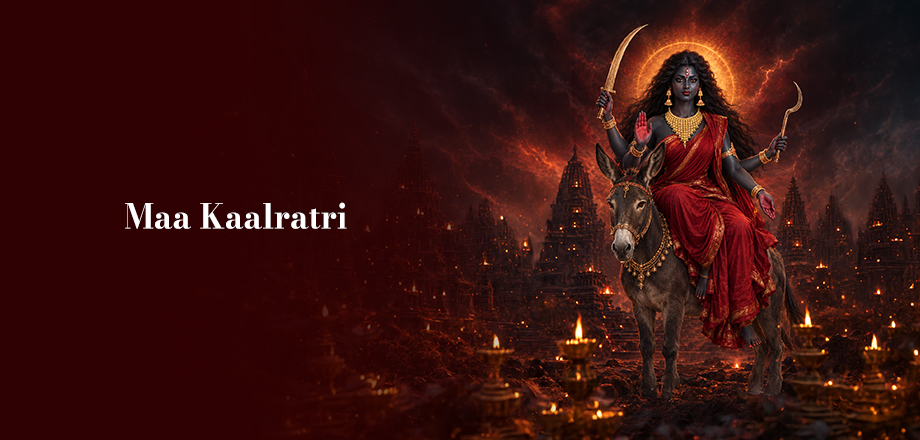
- Image: A dark, powerful form with flowing hair.
- Significance: She represents fearlessness and protection.
- Festive Colour: Royal blue, a deep shade that adds a rich and distinctive touch to festive attire.
Day 8: Maa Mahagauri: Name, Image & Significance
Maa Mahagauri represents purity, calmness and grace. She is worshipped on Durga Ashtami, an important day in Navratri.
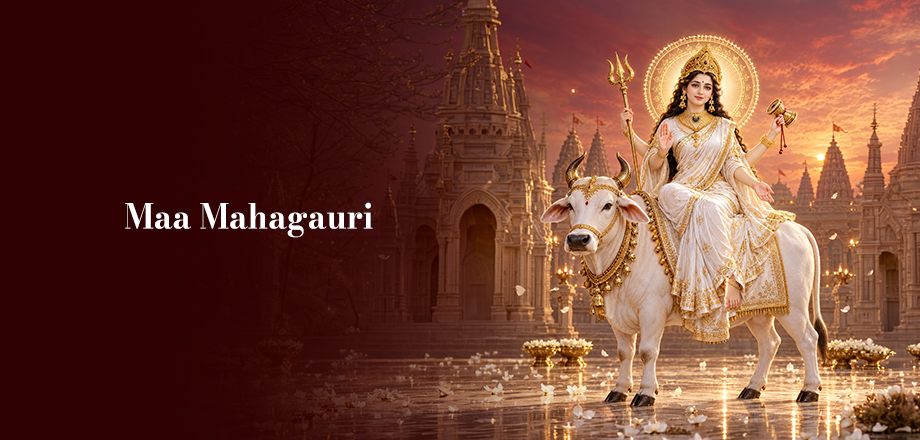
- Image: A peaceful form traditionally shown in white.
- Significance: She reflects serenity, purity and renewal.
- Festive Colour: Pink, a soft festive shade that brings warmth and elegance to the eighth day.
Day 9: Maa Siddhidatri: Name, Image & Significance
Maa Siddhidatri completes the 9 Durga names list on the final day. Her name is connected with siddhi, meaning spiritual accomplishment or fulfilment.
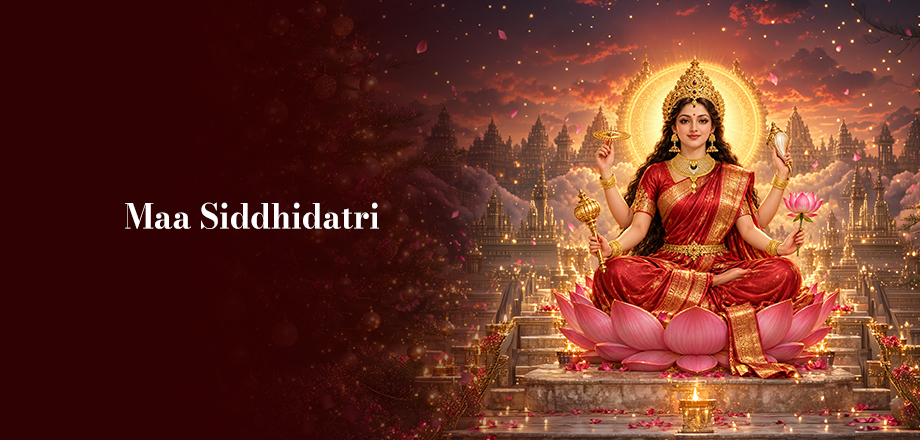
- Image: She is commonly shown seated on a lotus.
- Significance: She represents wisdom and spiritual completion.
- Festive Colour: Purple, a rich shade that gives the final day a graceful and celebratory finish.
FAQs
1. What are the 9 names of Durga worshipped during Navratri?
The 9 days of Navratri Devi names are Shailputri, Brahmacharini, Chandraghanta, Kushmanda, Skandamata, Katyayani, Kaalratri, Mahagauri and Siddhidatri, respectively.
2. What is Navadurga?
Navadurga is the collective name for the nine forms of Goddess Durga worshipped on each day of the Navratri festival.
3. Which colour is associated with each day of Navratri?
The Navratri colours 2026 vary by day and tradition, with each shade adding symbolic meaning to the overall festive celebrations.
4. Who is worshipped on the first day of Navratri?
Maa Shailputri is worshipped on the first day of Navratri and represents strength, stability, devotion and a grounded spiritual beginning.
5. Who is worshipped on the last day of Navratri?
Maa Siddhidatri is worshipped on the ninth and final day of Navratri, representing wisdom, fulfilment and the completion of devotion.
6. What does each of the nine forms of Durga represent
The nine forms of Durga represent qualities such as strength, devotion, courage, compassion, purity, fearlessness, wisdom and deeper spiritual growth.
7. Why are there nine forms of Durga?
The nine forms of Durga reflect different divine qualities, allowing devotees to honour strength, wisdom, compassion and devotion throughout Navratri.
8. Which devi is worshipped on Durga Ashtami?
Maa Mahagauri is worshipped on Durga Ashtami, the eighth day of Navratri, and is associated with purity, peace and grace.
9. What is the meaning of Siddhidatri?
Siddhidatri means the giver of siddhis, or spiritual accomplishments, and represents wisdom, fulfilment and the completion of the Navratri journey.
10. How are Navadurga images used during Navratri puja?
Navadurga images are used during puja to identify each Goddess, support daily worship and create a visual focus for devotion.
Share
7 Comments


About us


Senco Gold and Diamonds is a company with a legacy of over five decades. The Company was originally incorporated as Senco Gold Private Limited on August 22, 1994, at Kolkata, West Bengal, under the provisions of the Companies Act, 1956.
Recent Blogs


30/10/2026

29/10/2026

29/10/2026


